What we can help with
Autism (ASD) Assessment for Children & Teens
Comprehensive, evidence-based autism (ASD) assessments for children and young people aged 5–20, delivered Australia-wide via telehealth by our Consultant Child, Adolescent and Youth Psychiatrist.
Book an appointment
What is Autism?
Autism Spectrum Disorder (ASD) is a neurodevelopmental condition that influences how a person communicates, relates to others, and experiences the world around them. It is described as a "spectrum" because its presentation varies widely from one young person to the next — every autistic child has their own profile of strengths and support needs.
Autism is not an illness to be cured. A clear, accurate understanding of how a young person experiences the world is the foundation for the right support at home, at school, and in the community. Many families seek an assessment to better understand their child, to access tailored support, and to inform decisions about education and funding.
Symptoms
Autism can present differently across ages and individuals. Some signs that may prompt families or schools to seek an assessment include:
- Differences in social communication — for example, in conversation, eye contact, or understanding social cues.
- A strong preference for routine and predictability, and distress when routines change.
- Intense, focused interests.
- Differences in sensory experiences — heightened or reduced sensitivity to sound, light, texture, or movement.
- Repetitive movements or behaviours.
These characteristics exist in the general population to varying degrees. An assessment helps clarify whether a young person's profile is consistent with autism and what support may help.
Why does Autism occur?
Autism is a neurodevelopmental difference with a strong genetic and biological basis. Research consistently shows it is part of how a person's brain develops — it is not caused by parenting style, and it is not caused by vaccines. Understanding this helps families move past misinformation and focus on practical, evidence-based support.
Diagnosing Autism
A comprehensive autism assessment draws on information from several sources rather than a single appointment. At Mindscape Psychiatry, the assessment process may include:
- Detailed developmental history: Understanding the young person's early development, milestones, and current functioning, gathered with parents or carers.
- Standardised diagnostic tools: Our Consultant Child, Adolescent and Youth Psychiatrist has completed formal training in standardised autism diagnostic instruments, including the ADOS-2, MIGDAS-2, and ADI-R.
- Information across settings: With consent, input from school or other people who know the young person well helps build a complete picture.
- Consideration of co-occurring conditions: Autism frequently co-occurs with ADHD, anxiety, and other conditions, which are considered as part of the assessment.
Assessments are conducted via telehealth. The process and what to expect will be explained to your family beforehand.
Treatments for Autism
Autism is supported rather than "treated". The goal of support is to help a young person thrive while being understood and accepted for who they are. Following an assessment, recommendations may include:
- Practical strategies for home and school.
- Referral pathways to allied health supports such as speech pathology, occupational therapy, or psychology, coordinated with your GP.
- Information to support access to educational adjustments and relevant funding where eligible.
- Assessment and management of co-occurring conditions such as ADHD or anxiety, where present.
Recommendations are individualised — no two support plans look the same.
Mindscape Psychiatry's Approach
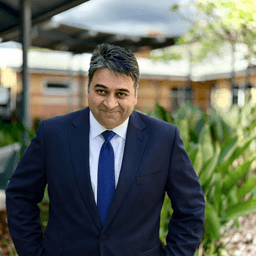
Autism assessments at Mindscape Psychiatry are provided by Dr Rajesh Harjai, our Consultant Child, Adolescent and Youth Psychiatrist, who has a special interest in the assessment and management of Autism Spectrum Disorder and ADHD. Dr Harjai consults via telehealth and sees young people aged 5 to 20 years.
- Formally trained in standardised autism diagnostic tools (ADOS-2, MIGDAS-2, ADI-R).
- Family-centred and collaborative, working closely with parents, carers, and — with consent — schools.
- Accessible Australia-wide via secure telehealth, removing the need to travel.
A valid GP referral is required. Speak with your GP about a referral to Mindscape Psychiatry for an autism assessment.
Provided by
The psychiatrist who provides care in this area:
Get help with Autism
Our experienced psychiatrists provide specialist assessment and treatment.
Book an appointment